(202) 549-2374

Defining “malice” in destruction of property case in D.C.
Roman Wiley (aka Kamaal Mumin) believed he owned a particular house in D.C.
This, as it turns out, was a delusion.
The real owner, who was renovating the property, kept finding Wiley on the property.
At one point, Wiley changed the locks on a wrought-iron gate securing a back door. He did this by unfastening the two screws that kept the lock attached to the gate.
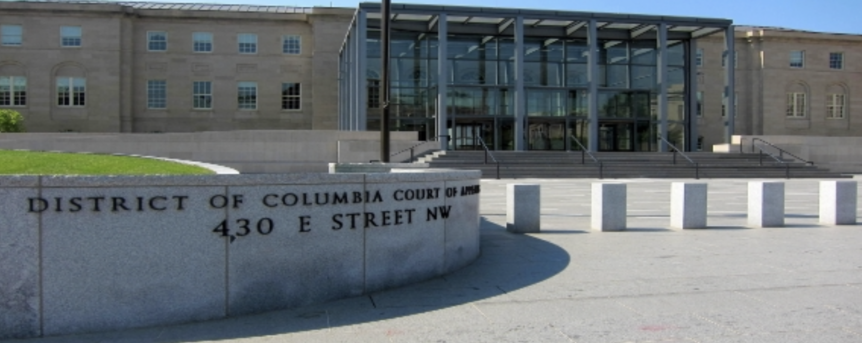
The question for the D.C. Court of Appeals in Wiley v. United States, 264 A.3d 1204 (D.C. 2021) was whether Wiley’s actions in dismantling the existing lock to replace it with his own constituted the criminal offense of malicious destruction of property (D.C. Code § 22-303).
 Concluding that it did not, the court reversed Wiley’s conviction on this count while affirming Wiley’s conviction for unlawful entry (D.C. Code § 22-3302.
In order to secure a conviction for malicious destruction of property in D.C., the prosecution must prove that (1) the defendant damaged or destroyed, or attempted to damage or destroy, property, (2) the property belonged to another person, (3) the property had some value, (4) the defendant acted voluntarily and on purpose, and not by mistake or accident, (5) the defendant acted with the intent to damage or destroy the property or despite knowing that his or her conduct created a substantial risk of harm to the property, and (6) the defendant acted without justification, excuse or mitigating circumstances.
It is not enough for the prosecution to prove that the defendant intended to do the destructive act itself. Rather, the defendant must also intend to cause the “particular harm which is produced or harm of the same general nature.” Or the defendant must act with a “conscious disregard of a known and substantial risk of the harm which the statute is intended to prevent.”
The evidence in this case “did not permit a conclusion that Wiley acted with an intent to damage the locks beyond their removal, or with a reckless disregard of a strong likelihood that such harm would result from his actions.” Instead, the evidence only showed that Wiley removed the locks and that he did so in a manner consistent with an intent to secure, not to damage, property he considered to be his.
Former D.C. Superior Court Judge John Ramsay Johnson presided at trial. Linden Fry represented Wiley at trial. Omar Bississo represented Wiley on appeal.