As part of a plea agreement, the government typically requires the defendant to agree to a “proffer of facts,” a written statement of the evidence the government would have proven had the case gone to trial.

As part of a plea agreement, the government typically requires the defendant to agree to a “proffer of facts,” a written statement of the evidence the government would have proven had the case gone to trial.

We got spoiled during the pandemic with favorable plea offers. The government was trying to resolve as many cases as possible. Those times are over.

Judges love to keep us in suspense. Before announcing a verdict, they like to give us a detailed description of their reasoning. This can be excruciating.

Rule 11 of the D.C. Rules of Criminal Procedure provides for a plea agreement in which both sides agree on the sentence that will be imposed.
Both mandatory and statutory minimum sentences set a term of imprisonment that must be imposed. The difference is that a statutory minimum sentence can be suspended.
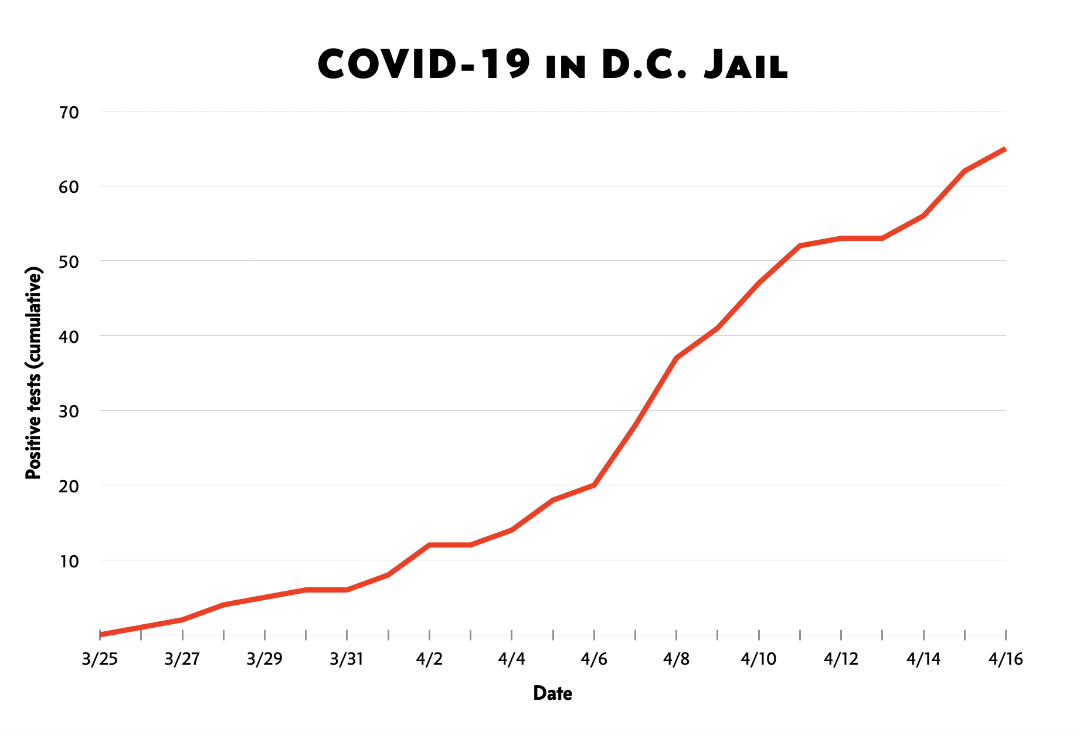
How do you write about COVID-19 and the D.C. jail without resorting to hyperbole? How do you ask the judge to bend the rules?

Jail time that is “suspended” will only be served if the defendant fails to comply with the terms of the sentence.

Concurrent sentences are served simultaneously. Consecutive sentences are served in sequence (i.e., back-to-back). One sentence does not begin until the other sentence has concluded.

I have worked with this particular court-appointed client now on a number of cases, and I guess he is beginning to feel more comfortable with me. “Give it to me straight, Mr. Koehler,” he says to me over the phone. “You get paid more money if I cop to a plea on this case, don’t you?”
I am watching a guilty plea from the gallery. The prosecutor reads out the alleged facts from the police report, and the defendant says, yes, that is what happened. The colloquy continues. The defendant then tells the judge that she is not actually guilty. The only reason she is taking the government’s deal is because her lawyer made her. And, …
When the two defendants opted for trial, rejecting a deferred sentencing agreement that had been offered by the government, Judge Brian Holeman may have been doing them a favor when he warned them that they would face certain jail-time if convicted. After all, that is exactly what happened. At the same time, as the D.C. Court of Appeals held yesterday …
Whenever a group of defendants are lined up before the court to do misdemeanor guilty pleas, one or two will often try to back out at the last minute. If the defendant is quibbling with something the prosecutor has just read from the police report, the parties can usually find common ground on facts that still make out every element …
Your client is released from jail after serving his sentence, and texts you on his way home. You were defense counsel in the case that sent him there. You both knew after the conviction but before sentencing that he would be serving some jail-time. Your client had plenty of time to get his affairs in order. Still, it is disconcerting …

Always looking out for the best interests of clients, Michael Bruckheim has come up with a creative way for getting around the new requirement in D.C. that mandatory days of incarceration in DUI cases be served back-to-back. According to the new law that took effect in August 2012, second-time DUI offenders who are sentenced to a mandatory-minimum period of incarceration …
The defendant is charged with armed robbery. He and the government reach agreement on a plea deal in which the government agrees to ask for no more than 10 years of incarceration. In a memorandum submitted to the judge before sentencing, the government then violates that agreement by asking the judge to impose 20 years. It is the judge, not …

The defendant should not have been penalized at sentencing for having exercised his constitutional right to cross-examine the government’s witness at trial.

If you plead guilty, there is a 100% chance that you will be found guilty. Or something like that. I read that on the Internet a few weeks ago and, while I can’t remember who said it for attribution, I had the opportunity to use this clever little phrase just the other day. It is what you tell a …

Earlier this week, I caught the tail-end of a DWI trial in which Michael Bruckheim was representing the defendant. Bruckheim had attended portions of my last DWI trial in D.C., and I decided to repay the favor. I wanted to see him cross examine the same police officer who had testified in my case. And, recognizing that everyone has a …